

Interior Design and Property Staging: How First Impressions Command Premium Rates

A guest walks through your door. They have three seconds to form an impression.
In those three seconds, they notice the cleanliness. The lighting. The smell. The furniture. The organization. The overall feeling of the space.
If the impression is positive, they relax. They feel welcome. They're more likely to leave a positive review. They're more likely to book again. They're more likely to recommend to friends.
If the impression is negative, they're disappointed. They feel let down. They're more likely to leave a negative review. They're less likely to book again. They might even cancel.
First impressions determine guest satisfaction. And guest satisfaction determines your rating, your occupancy, and your revenue.
This is why interior design and property staging matter so much. A well-designed, professionally staged property doesn't just look good. It commands premium rates. It drives occupancy. It builds loyalty.
This guide explains why interior design matters, how to stage properties for maximum impact, and how to command premium rates through thoughtful design.
The Business Case for Interior Design: Why It Matters

Interior design isn't luxury. It's business strategy.
The numbers tell the story:
Research shows that guests are willing to pay 15-30% more for properties that are well-designed and professionally staged. A property with thoughtful design, quality furnishings, and attention to detail commands premium pricing. A similar property with dated furniture, poor lighting, and lack of cohesion commands discount pricing.
The financial impact of design:
Property Type | Basic Design | Professional Design | Premium Increase |
Budget HMO Room | £40/night | £50/night | 25% |
Standard Apartment | £70/night | £90/night | 29% |
Premium Apartment | £100/night | £130/night | 30% |
Boutique Suite | £150/night | £200/night | 33% |
A 25-30% premium increase translates to significant revenue impact. A property with 70% occupancy at £70/night generates £17,885 annually. The same property professionally designed at £90/night generates £23,049 annually. That's a £5,164 annual increase from design alone.
Why design drives premium pricing:
First, design signals quality. A well-designed space signals that the landlord cares about guest experience. It signals attention to detail. It signals professionalism.
Second, design creates emotional connection. Guests don't just book based on amenities. They book based on feeling. A well-designed space makes guests feel welcome, comfortable, and valued.
Third, design justifies premium pricing. Guests understand that quality design costs money. They're willing to pay premium rates for properties that feel thoughtfully designed and professionally managed.
Fourth, design drives positive reviews. Guests comment on design in reviews. "Beautiful space," "Thoughtfully decorated," "Felt like home"—these comments drive occupancy and justify premium pricing.
The Design Philosophy: Creating Spaces That Sell
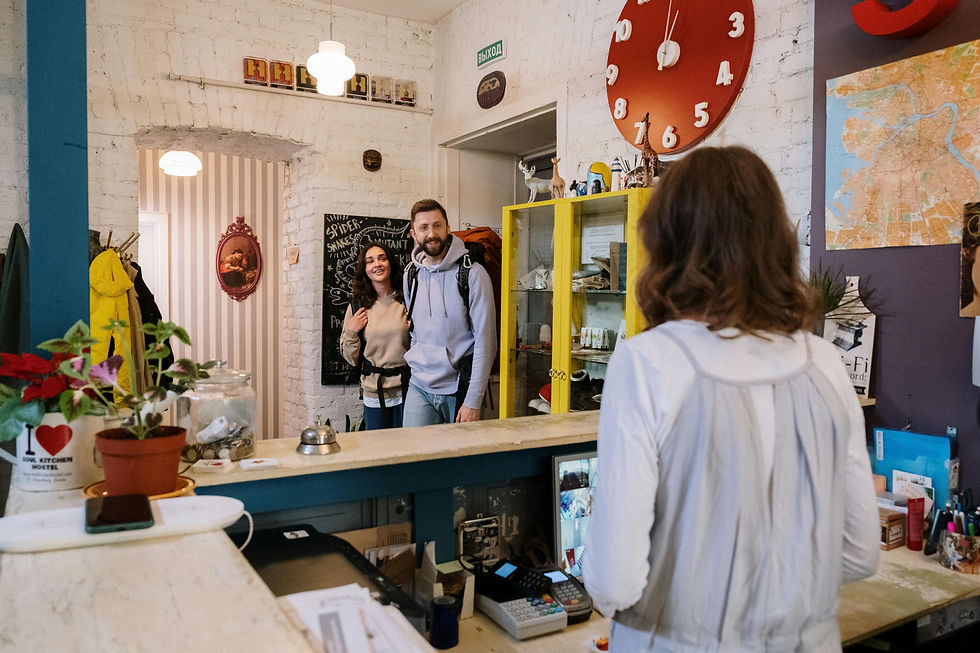
Professional interior design isn't about personal taste. It's about creating spaces that appeal to your target guest and justify premium pricing.
The design philosophy has five core principles:
Principle 1: Guest-Centric Design
Design for your guest, not for yourself.
What this means:
Understand who your guest is (business traveler, family, tourist, professional)
Understand what your guest values (comfort, style, functionality, cleanliness)
Design spaces that meet guest needs and exceed expectations
Make design decisions based on guest preferences, not personal taste
Example:
A property targeting business travelers should prioritize comfort, functionality, and professional aesthetics. Quality bed, good lighting, workspace, fast WiFi. A property targeting families should prioritize space, safety, and family-friendly amenities. Large living area, kitchen facilities, toys, family-friendly décor.
Principle 2: Cohesive Aesthetic
Create a unified design language throughout the property.
What this means:
Choose a consistent color palette (typically 3-4 colors)
Use consistent design style (modern, minimalist, rustic, eclectic, etc.)
Coordinate furniture, décor, and accessories
Avoid mismatched, cluttered, or chaotic design
Example:
A modern minimalist aesthetic uses neutral colors (white, gray, black), clean lines, minimal clutter, and contemporary furniture. Every room follows this aesthetic. The result is cohesive, professional, and calming.
Principle 3: Functional Beauty
Design should be beautiful and functional.
What this means:
Every design choice should serve a purpose
Avoid purely decorative elements that don't add value
Prioritize comfort and functionality
Make spaces easy to use and navigate
Example:
A well-designed bedroom has a quality bed (functional), soft lighting (functional and beautiful), minimal clutter (functional), and tasteful décor (beautiful). Every element serves a purpose.
Principle 4: Attention to Detail
Small details create big impressions.
What this means:
Notice and fix small issues (loose handles, chipped paint, worn edges)
Invest in quality accessories (throw pillows, artwork, plants)
Maintain cleanliness and organization obsessively
Create "wow moments" (fresh flowers, welcome basket, quality toiletries)
Example:
A well-designed space has fresh flowers on the table, quality throw pillows on the couch, tasteful artwork on walls, and a welcome basket with quality toiletries. These details signal professionalism and care.
Principle 5: Lighting and Ambiance
Lighting is the most underrated design element.
What this means:
Use multiple light sources (overhead, task, accent)
Use warm lighting (3000K color temperature) for welcoming feel
Provide dimmer switches for ambiance control
Use natural light strategically
Avoid harsh, clinical lighting
Example:
A well-lit space has overhead lighting for functionality, bedside lamps for comfort, accent lighting for ambiance, and natural light from windows. Lighting can be dimmed for a cozy feel or brightened for functionality.
The Staging Strategy: Room-by-Room Guide
Professional staging transforms spaces. Here's how to stage each room for maximum impact.
The Entryway: First Impression
The entryway is the first space guests see. It sets the tone for the entire property.
Staging priorities:
Clean, welcoming entrance (no clutter, no mess)
Good lighting (bright, welcoming)
Tasteful décor (artwork, mirror, plant)
Organization (coat rack, shoe storage, welcome sign)
Subtle fragrance (fresh, not overwhelming)
Staging checklist:
✓ Fresh paint (neutral color)
✓ Clean, polished floors
✓ Bright lighting (overhead + accent)
✓ Mirror (makes space feel larger)
✓ Artwork or tasteful décor
✓ Plant or flowers
✓ Welcome sign or personal touch
✓ Coat rack or storage
✓ Subtle air freshener
Impact: First impression sets tone. Guests immediately feel welcomed or disappointed. Professional staging creates positive first impression.
The Living Room: Comfort and Style
The living room is where guests spend time. It should be comfortable, stylish, and inviting.
Staging priorities:
Comfortable seating (quality sofa, chairs)
Good lighting (multiple sources, dimmers)
Entertainment (TV, streaming, books)
Tasteful décor (artwork, throw pillows, plants)
Organization (minimal clutter, storage solutions)
Staging checklist:
✓ Quality sofa and chairs (comfortable, clean)
✓ Coffee table (functional, stylish)
✓ TV and streaming services
✓ Throw pillows and blankets (quality, coordinated)
✓ Artwork on walls (tasteful, coordinated)
✓ Plants or flowers (fresh, well-maintained)
✓ Lighting (overhead, floor lamp, table lamp)
✓ Books or magazines (curated, organized)
✓ Storage solutions (baskets, shelves)
Impact: Living room is where guests spend time. Comfortable, stylish living room drives positive reviews and encourages longer stays.
The Bedroom: Comfort and Rest
The bedroom is where guests sleep. It should be comfortable, clean, and peaceful.
Staging priorities:
Quality bed (comfortable, clean, quality linens)
Good lighting (bedside lamps, overhead dimmer)
Peaceful ambiance (minimal clutter, calming colors)
Functional storage (nightstands, closet, hangers)
Tasteful décor (minimal, coordinated)
Staging checklist:
✓ Quality bed frame and mattress (comfortable, clean)
✓ Quality linens (high thread count, clean, pressed)
✓ Comfortable pillows (multiple, quality)
✓ Bedside tables (functional, clean)
✓ Bedside lamps (warm lighting, dimmers)
✓ Artwork (minimal, calming)
✓ Closet and hangers (organized, accessible)
✓ Minimal clutter (clean, organized)
✓ Window treatments (blackout, stylish)
Impact: Quality bed and comfortable bedroom drive positive reviews. Guests remember comfortable sleep. Invest in quality bedding.
The Kitchen: Functionality and Style
The kitchen is where guests prepare meals. It should be functional, clean, and well-equipped.
Staging priorities:
Clean, organized kitchen (no clutter, no mess)
Quality appliances (working, clean, modern-looking)
Complete cookware and utensils (pots, pans, utensils, dishes)
Good lighting (bright, functional)
Tasteful décor (minimal, coordinated)
Staging checklist:
✓ Clean, organized cabinets and drawers
✓ Quality cookware and utensils (pots, pans, knives)
✓ Complete dishes and glassware
✓ Small appliances (coffee maker, toaster, microwave)
✓ Quality countertops (clean, organized)
✓ Good lighting (bright, overhead)
✓ Minimal clutter (clean, organized)
✓ Tasteful décor (plants, artwork, minimal)
✓ Cooking basics (oil, salt, spices)
Impact: Well-equipped kitchen drives guest satisfaction. Guests appreciate functional kitchens. Invest in quality cookware and appliances.
The Bathroom: Cleanliness and Luxury
The bathroom is where guests judge cleanliness. It should be spotless, well-equipped, and luxurious.
Staging priorities:
Spotless cleanliness (no mold, no stains, no mess)
Quality fixtures (modern, clean, working)
Quality toiletries (premium, complete)
Good lighting (bright, functional)
Luxurious touches (quality towels, bath products)
Staging checklist:
✓ Spotless tiles and grout (no mold, no stains)
✓ Clean toilet and sink (spotless, shiny)
✓ Quality shower/tub (clean, modern, working)
✓ Quality towels (soft, clean, coordinated)
✓ Premium toiletries (soap, shampoo, conditioner, lotion)
✓ Good lighting (bright, flattering)
✓ Mirror (clean, well-lit)
✓ Storage (organized, accessible)
✓ Minimal clutter (clean, organized)
✓ Luxury touches (bath bombs, face masks, quality soap)
Impact: Spotless bathroom drives positive reviews. Guests judge cleanliness in bathroom. Invest in premium toiletries and quality towels.
The Design Elements: Key Components of Professional Staging

Professional staging uses specific design elements to create impact.
Element 1: Color Palette
Choose 3-4 colors that work together.
Color psychology:
Neutral colors (white, gray, beige) create calm, professional feel
Warm colors (cream, tan, warm gray) create welcoming feel
Cool colors (blue, green) create peaceful feel
Accent colors (one bold color) create visual interest
Recommendation: Use neutral base colors with one accent color. Example: white walls, gray furniture, blue accent pillows.
Element 2: Lighting
Lighting is the most impactful design element.
Lighting strategy:
Use multiple light sources (overhead, task, accent)
Use warm color temperature (3000K) for welcoming feel
Use dimmers for ambiance control
Use natural light strategically
Avoid harsh, clinical lighting
Recommendation: Invest in quality lighting. It transforms spaces more than any other element.
Element 3: Furniture
Quality furniture signals professionalism.
Furniture strategy:
Choose comfortable, quality pieces (not cheap or worn)
Choose coordinated style (all modern, all rustic, etc.)
Choose appropriate scale (furniture fits room size)
Choose functional pieces (not just decorative)
Invest in quality bed and sofa (guests spend most time here)
Recommendation: Invest in quality bed and sofa. These are most visible and most used.
Element 4: Textiles
Textiles add comfort and style.
Textile strategy:
Use quality fabrics (soft, durable, washable)
Use coordinated colors (match color palette)
Use throw pillows and blankets (comfort and style)
Use quality curtains and blinds (functional and stylish)
Use quality towels and linens (luxury feel)
Recommendation: Invest in quality linens and towels. Guests notice quality immediately.
Element 5: Accessories
Accessories add personality and polish.
Accessory strategy:
Use artwork (tasteful, coordinated, not too much)
Use plants and flowers (fresh, well-maintained)
Use decorative objects (minimal, coordinated, purposeful)
Use books and magazines (curated, organized)
Use welcome touches (basket, flowers, toiletries)
Recommendation: Use accessories to add personality without clutter. Less is more.
The Budget: How Much Should You Invest?

Professional staging requires investment. But the ROI is significant.
Budget by property type:
Property Type | Budget | ROI Timeline | Annual ROI |
Budget HMO Room | £500-£1,000 | 3-4 months | £2,000-£4,000 |
Standard Apartment | £2,000-£4,000 | 4-6 months | £5,000-£10,000 |
Premium Apartment | £5,000-£10,000 | 6-8 months | £10,000-£20,000 |
Boutique Suite | £10,000-£20,000 | 8-12 months | £20,000-£40,000 |
Budget allocation:
Furniture: 40-50%
Lighting: 10-15%
Textiles: 10-15%
Accessories and décor: 10-15%
Professional staging/design: 10-20%
ROI calculation:
Budget: £3,000
Premium increase: 25% (£70 to £87.50/night)
Occupancy: 70% (255 days/year)
Annual revenue increase: £6,562
ROI: 219% in year one
Recommendation: Invest in professional staging. The ROI is significant and the payback period is short.
The Professional Approach: When to Hire a Designer

Some landlords DIY staging. Others hire professionals. Here's when to hire a professional.
Hire a professional if:
You lack design experience or confidence
You want professional results quickly
You want to maximize revenue potential
You have multiple properties
You want expert guidance on design choices
DIY staging if:
You have design experience
You have time to research and implement
You have limited budget
You're willing to learn and iterate
You're comfortable with trial and error
Recommendation: For premium properties or multiple properties, hire a professional. The investment pays off quickly. For budget properties or single properties, DIY staging is viable if you have time and interest.
The Common Mistakes: What NOT to Do

Understanding mistakes helps you avoid them.
Mistake 1: Personal taste over guest preference
Designers choose colors and styles they like, not what guests prefer
Result: Design doesn't appeal to target guests. Lower occupancy and ratings.
Solution: Design for target guest, not for yourself.
Mistake 2: Clutter and over-decoration
Designers add too many accessories and decorative items
Result: Space feels cluttered and chaotic. Guests feel overwhelmed.
Solution: Use minimal accessories. Less is more.
Mistake 3: Poor lighting
Designers neglect lighting or use harsh, clinical lighting
Result: Space feels unwelcoming and cold. Guests feel uncomfortable.
Solution: Invest in quality lighting. Use warm color temperature.
Mistake 4: Cheap furniture
Designers choose budget furniture to save money
Result: Furniture looks cheap and worn. Guests notice immediately.
Solution: Invest in quality furniture. It lasts longer and looks better.
Mistake 5: Inconsistent design
Designers mix styles and colors without cohesion
Result: Space feels chaotic and unprofessional. Guests feel confused.
Solution: Choose consistent style and color palette.
The Bottom Line: Design Drives Revenue
Interior design and professional staging aren't luxury. They're business strategy.
A well-designed, professionally staged property commands premium rates. It drives occupancy. It builds loyalty. It generates positive reviews.
The investment in design pays off quickly. A 25-30% premium increase translates to significant annual revenue. The payback period is typically 3-6 months.
The choice is yours. Invest in professional design, or accept lower occupancy and lower rates.
Ready to Transform Your Property?
Professional interior design and staging requires expertise, time, and investment. Many landlords don't know where to start.
That's where we come in.
Our interior design and staging team crafts welcoming spaces for HMOs, apartments, and boutique hotels. We understand what guests want. We understand what commands premium rates. We understand how to transform properties into revenue-generating assets.
From color palette selection to furniture sourcing to final staging, we handle every detail. We deliver spaces that delight guests and command premium rates.
Whether you have one property or a large portfolio, we can help you transform your spaces and maximize revenue.
Message us on WhatsApp: +44 330 341 3063 to discuss interior design and staging for your property.
Or visit https://www.stayandco.uk/ to see examples of our design work.
Key Takeaways
First impressions determine guest satisfaction. A well-designed space creates positive impression. A poorly designed space creates negative impression.
Design commands premium rates. Guests are willing to pay 25-30% more for professionally designed spaces.
Design signals quality and professionalism. Well-designed spaces signal that landlord cares about guest experience.
Guest-centric design matters most. Design for your target guest, not for yourself.
Cohesive aesthetic is essential. Consistent color palette and design style create professional feel.
Functional beauty is the goal. Every design choice should serve a purpose.
Attention to detail matters. Small details create big impressions.
Lighting is the most impactful element. Invest in quality lighting. It transforms spaces.
Quality furniture and textiles are essential. Guests notice quality immediately.
Professional staging has strong ROI. Payback period is typically 3-6 months.
Room-by-room staging strategy is important. Each room has specific staging priorities.
Budget allocation matters. Allocate budget strategically (furniture, lighting, textiles, accessories ).
Professional designers deliver results. For premium properties or multiple properties, hire a professional.
Common mistakes are avoidable. Understand what NOT to do. Design for guests, not for yourself.
Design drives revenue. Invest in professional design. Reap the rewards.
This guide is designed to help property owners and managers understand the business case for professional interior design and staging. For personalized advice on your property, contact us on WhatsApp: +44 330 341 3063 or visit https://www.stayandco.uk/


Comments